
Unlock Radiant Skin: 7 Essential Steps for Your Skin Care Routine
In today’s fast-paced world, maintaining healthy and glowing skin is more crucial than ever. A well-structured skin care routine not only enhances your appearance but also boosts your confidence. However, with the plethora of products and advice available, it can be overwhelming to know where to start. This article will guide you through a comprehensive skin care routine that can help you achieve that coveted radiant skin.
Understanding Your Skin Type
Before diving into the steps of a skin care routine, it’s vital to understand your skin type. This knowledge allows you to choose products that cater specifically to your skin’s needs. Generally, skin types are categorized into five main categories: oily, dry, combination, sensitive, and normal. By identifying your skin type, you can tailor your routine to address your unique challenges and concerns effectively.
Each skin type has distinct characteristics and requires different types of care. For instance, what works for oily skin may not be suitable for dry skin and vice versa. Understanding your skin type not only helps in choosing the right products but also in managing expectations regarding the results you can achieve. Therefore, take some time to observe how your skin behaves throughout the day and in various conditions.
Identifying Oily Skin
If your skin appears shiny, especially in the T-zone (forehead, nose, and chin), and you experience frequent breakouts, you likely have oily skin. Oily skin is characterized by overactive sebaceous glands that produce excess oil, leading to clogged pores and acne. To manage oily skin effectively, look for non-comedogenic products that won’t clog your pores. Ingredients like salicylic acid and tea tree oil can be particularly beneficial.
Additionally, incorporating a lightweight moisturizer is essential, as many people with oily skin mistakenly skip this step, thinking it will worsen their condition. However, using the right moisturizer can help balance oil production and keep the skin hydrated, preventing it from becoming overly dry and triggering even more oil production.
Recognizing Dry Skin
Dry skin can feel tight, rough, and may have visible flakes. This skin type often lacks moisture and can be exacerbated by environmental factors such as cold weather, low humidity, and harsh soaps. If your skin feels uncomfortable or looks dull, you may have dry skin. To restore its suppleness, consider using hydrating products with ingredients like hyaluronic acid and glycerin, which attract moisture and retain it in the skin.
Moreover, it’s crucial to avoid hot showers and harsh cleansers that can strip your skin of its natural oils. Instead, opt for creamy or oil-based cleansers and apply a rich moisturizer immediately after cleansing to lock in hydration. Regular use of exfoliating products can also help remove dead skin cells, allowing for better absorption of moisturizing products.
Combination Skin Characteristics
Combination skin exhibits traits of both oily and dry skin. You might find that your T-zone is oily while your cheeks are dry or normal. This dual nature can make skincare challenging, as you need to address two different concerns simultaneously. A balanced approach is key, using products that address both concerns without aggravating either side.
For combination skin, consider using a gentle cleanser that effectively removes impurities without over-drying the skin. When it comes to moisturizers, a lightweight gel or lotion that hydrates without adding excess oil can work wonders. Additionally, targeted treatments for the oily areas (like clay masks) and nourishing products for the dry areas can help create a balanced complexion.
Essential Steps for Your Skin Care Routine
A proper skin care routine typically consists of several key steps. Here are seven essential steps to consider incorporating into your regimen:
📖 Baca juga: 7 Kebiasaan Pagi dalam Morning Routine yang Akan Mengubah Hidup Anda Secara Drastis
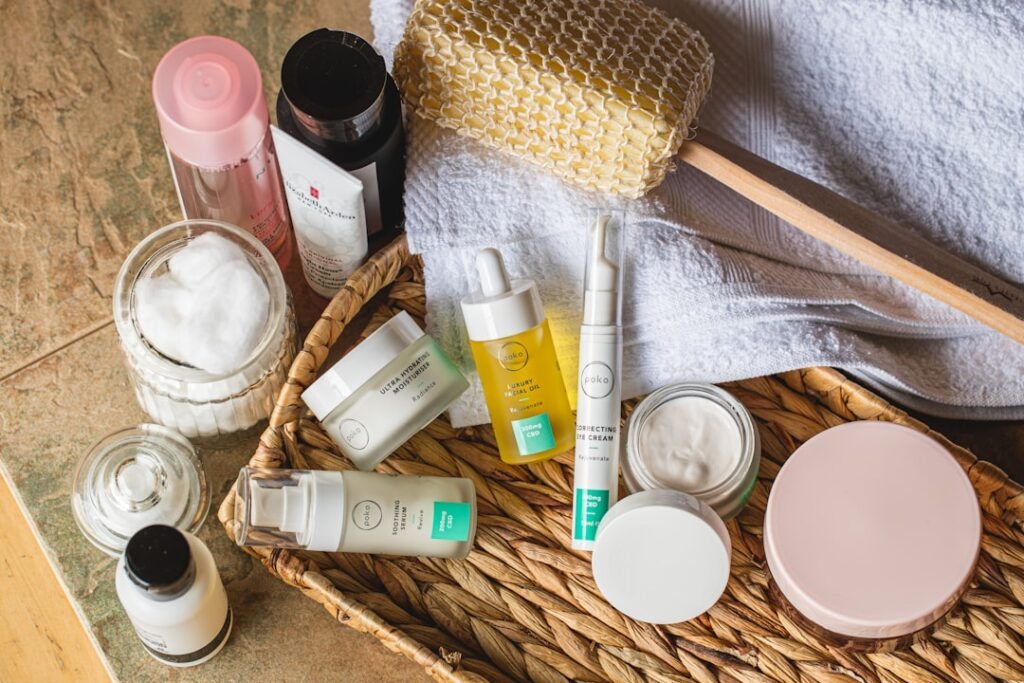
- Cleansing: Begin your routine by cleansing your skin to remove dirt, oil, and makeup. Choose a gentle cleanser suited for your skin type. Cleansing is crucial as it prepares your skin for the absorption of subsequent products.
- Toning: A toner helps to balance your skin’s pH and can prep your skin for better absorption of subsequent products. Additionally, toners can help remove any leftover impurities that your cleanser may have missed, ensuring your skin is perfectly clean.
- Exfoliating: Regular exfoliation removes dead skin cells, allowing for brighter and smoother skin. Aim for 1-2 times a week, depending on your skin’s tolerance. Exfoliation can also help with skin texture and can significantly improve the absorption of other products.
- Serum Application: Serums are concentrated formulas that target specific skin concerns. Consider options like vitamin C for brightening or retinol for anti-aging. These active ingredients penetrate deeply into the skin and can produce significant results when used consistently.
- Moisturizing: Keep your skin hydrated with a moisturizer that suits your skin type. This step is crucial for maintaining the skin’s barrier. Moisturizers help to lock in hydration and create a protective layer on the skin.
- Sun Protection: Apply a broad-spectrum sunscreen daily to protect your skin from harmful UV rays, even on cloudy days. Daily sun protection is vital in preventing premature aging and skin damage.
- Night Care: Your night routine can include richer creams or treatments that work while you sleep, aiding in skin repair. Night creams often contain ingredients that are more potent and help in rejuvenating the skin while you rest.
Importance of Consistency
Consistency is key in any skin care routine. Results take time, so it’s essential to stick to your routine for at least a few weeks to see visible improvements. Many people give up too soon, not realizing that skin often goes through a purging phase before showing real results. Therefore, patience and dedication are vital for achieving the desired outcome.
Additionally, documenting your skin’s progress can be helpful. Consider taking before-and-after photos or keeping a journal to note changes in your complexion over time. This practice not only helps in tracking your progress but also keeps you motivated to continue with your routine.
Adjusting Your Routine
Your skin’s needs may change due to factors like weather, hormonal changes, or aging. Be willing to adjust your products and routine as necessary to cater to these changes. For instance, you might need a heavier moisturizer during colder months when your skin tends to dry out more, or you may want to incorporate more hydrating products during the summer.
It’s also a good idea to periodically reassess your skin care products and routine, especially if you’re noticing changes in your skin’s behavior. What worked for you a few months ago may not be effective now, and understanding this will help you maintain healthy skin.
When to Consult a Dermatologist
If you’re experiencing persistent skin issues such as severe acne, eczema, or any unusual changes, it’s crucial to consult a dermatologist. They can provide tailored advice and treatment options based on your specific conditions. A professional can help identify the root cause of skin issues that over-the-counter products may not resolve, guiding you towards the most effective treatments.
Furthermore, a dermatologist can also assist with preventive care. Regular check-ups can help catch potential skin issues early, ensuring you maintain healthy skin for years to come. Don’t hesitate to seek professional help if you’re unsure about which products or treatments are best for your skin type.
Signs You Should Seek Help
Some indicators that you should seek professional help include:
- Persistent acne that doesn’t respond to over-the-counter treatments. This could signify a more severe underlying issue.
- Skin that is inflamed, itchy, or painful. These symptoms could indicate an allergic reaction or infection.
- Sudden changes in skin texture or color. Unexplained changes could point to skin conditions that require medical attention.
The Role of Professional Treatments
In addition to a home routine, dermatologists can offer professional treatments such as chemical peels, laser therapy, or prescription medications that may yield quicker results. These treatments can target specific concerns such as fine lines, pigmentation, or severe acne, providing more dramatic results than typical over-the-counter products.
Moreover, professional treatments often come with the guidance of a trained expert who can tailor the approach to your skin type and condition. This personalized care is invaluable, especially for individuals who have not seen improvements with their current routine.
Myths vs Facts about Skin Care
There are many myths surrounding skin care that can mislead individuals. Here are some common misconceptions debunked:
📖 Baca juga: Unlock Better Sleep: 7 Essential Sleep Hygiene Tips for Restful Nights

Myth: Oily Skin Doesn’t Need Moisturizer
Fact: Even oily skin needs moisture. Opt for lightweight, oil-free moisturizers to keep your skin hydrated without adding excess oil. Skipping this essential step can lead to an imbalance, causing your skin to produce even more oil in an attempt to compensate for the lack of moisture.
Myth: You Only Need Sunscreen on Sunny Days
Fact: UV rays can penetrate clouds, so wearing sunscreen daily is essential, regardless of the weather. Harmful UV rays can cause long-term skin damage, including premature aging and increased risk of skin cancer. Make sunscreen a non-negotiable part of your routine.
Myth: Natural Products Are Always Better
Fact: Not all natural products are safe for everyone. It’s essential to choose products based on their ingredients and your skin’s needs. Some natural ingredients can cause irritation or allergic reactions in certain individuals. Always perform a patch test before trying a new product.
Final Thoughts on Your Skin Care Journey
Incorporating a well-thought-out skin care routine can lead to improved skin health and appearance. Remember, every individual’s skin is unique, so what works for one person may not work for another. Always listen to your skin and adjust accordingly. This article serves as general information and should not replace professional medical advice. For specific skin concerns, consulting a healthcare provider is recommended.
Ultimately, the journey to radiant skin is a personal one. By investing time in understanding your skin and following a consistent routine, you can achieve the healthy, glowing skin you desire.
Frequently Asked Questions (FAQ)
How often should I change my skin care products?
It’s generally recommended to change your products if you notice irritation or if they aren’t providing the desired results after consistent use for at least 4-6 weeks. Sticking with a product long enough is crucial to allow your skin to adjust and show potential results.
Can I use multiple serums in my routine?
Yes, using multiple serums is common, but it’s important to layer them properly and be aware of any potential interactions between active ingredients. Start with the thinnest consistency and work your way up to thicker formulations to ensure optimal absorption.
What is the best time to apply sunscreen?
Sunscreen should be applied every morning as the last step in your skincare routine and reapplied every two hours if you’re outdoors. Consistent application is key to effective protection against UV damage.