
The Ultimate Showdown: Yoga vs Pilates for Effective Weight Loss
When it comes to weight loss and fitness, many people find themselves torn between yoga and Pilates. Both practices offer unique benefits that can aid in shedding pounds, improving flexibility, and enhancing overall well-being. However, understanding how each method targets weight loss can help you make an informed choice that aligns with your fitness goals.
This article dives deep into the nuances of yoga vs Pilates for weight loss, examining their methods, benefits, and how to integrate them into your routine for optimal results. Whether you’re a seasoned practitioner or just starting, knowing the distinct advantages of each can empower you to choose the right path for your health journey.
Understanding Yoga and Its Weight Loss Benefits
The Philosophy Behind Yoga
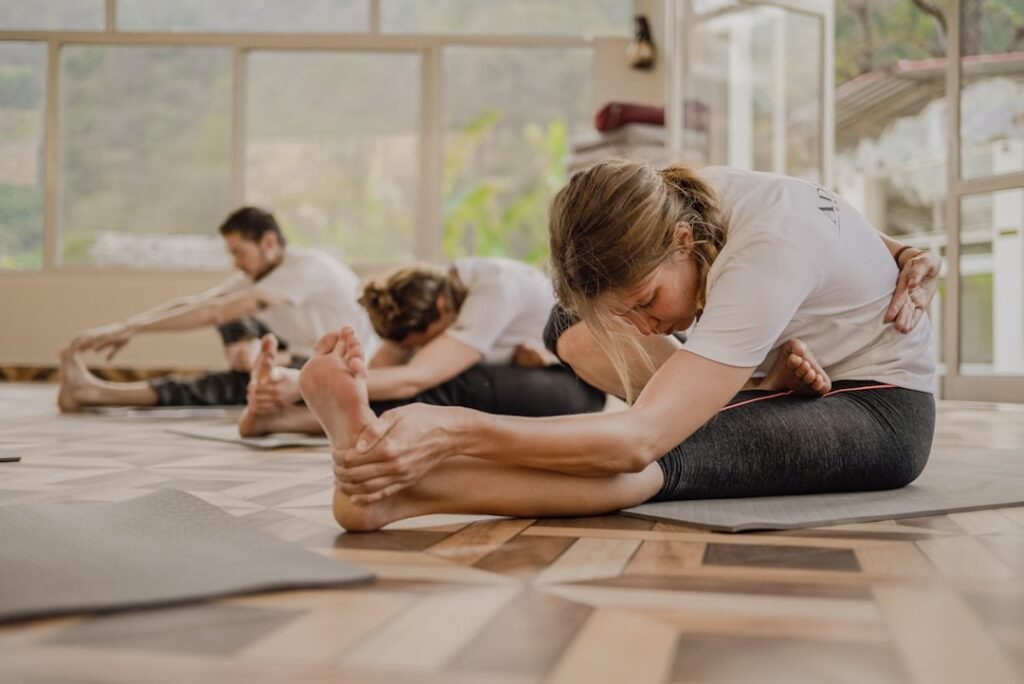
Yoga is an ancient practice that combines physical postures, breathing techniques, and meditation. Its holistic approach aims to unify the mind, body, and spirit. While many people associate yoga with relaxation, it can also be a potent tool for weight loss. Various styles of yoga, such as Vinyasa and Ashtanga, are particularly effective at burning calories due to their dynamic movements.
Moreover, yoga emphasizes mindfulness and self-awareness, encouraging practitioners to connect deeply with their physical and emotional states. This connection not only fosters better control over one’s body but also nurtures a positive mindset toward food and self-image, often leading to healthier lifestyle choices. Many individuals find that as they progress in their yoga practice, they become more conscious of what they eat, which is crucial for sustainable weight loss.
Additionally, yoga provides a supportive community environment that can motivate individuals to stay committed to their fitness journey. The social aspect, combined with personal growth through yoga, often results in enhanced emotional resilience, better coping strategies for stress, and a more profound commitment to health and wellness.
Caloric Burn in Yoga
The caloric burn during a yoga session varies depending on the style and intensity. For instance, a vigorous Vinyasa class can burn approximately 400-600 calories per hour, while a gentler Hatha session may only burn around 200-300 calories. However, the benefits extend beyond just calories burned; regular practice can increase muscle tone and improve metabolism, further aiding in weight loss.
It is also important to note that yoga’s benefits are not solely about the immediate caloric expenditure during the session. The increased muscle tone achieved through consistent practice contributes to a higher resting metabolic rate, meaning your body continues to burn calories even after the workout is complete. Furthermore, as muscle mass increases, so does the overall efficiency of the body in utilizing energy, which can significantly support weight management.
As practitioners delve deeper into their yoga journeys, they may also discover the importance of incorporating additional physical activities alongside their yoga practice. Combining yoga with cardiovascular exercises can amplify caloric burn and enhance weight loss results, creating a more comprehensive fitness regimen that covers various aspects of health.
Yoga’s Impact on Mental Well-Being
Yoga promotes mental clarity and stress relief, which can be beneficial for weight loss. High-stress levels can lead to emotional eating or unhealthy food choices. By practicing yoga, individuals can manage stress more effectively, reducing the likelihood of turning to food for comfort. Techniques such as deep breathing and meditation help regulate stress hormones like cortisol, known to be associated with weight gain, particularly around the abdominal area.
Furthermore, yoga fosters a positive body image, which can motivate individuals to pursue healthier lifestyles. As people become more attuned to their bodies through regular practice, they often develop greater appreciation and respect for their physical forms, leading to better self-care practices. This shift in mindset can help break the cycle of negative self-talk that often contributes to unhealthy eating habits.
Additionally, the social support often found in yoga classes can enhance emotional well-being, providing a sense of belonging and community that encourages individuals to stay committed to their fitness goals. Sharing experiences and challenges with others can foster accountability and motivation, which are essential for long-term weight loss success.
Exploring Pilates and Its Role in Weight Management
The Core Focus of Pilates
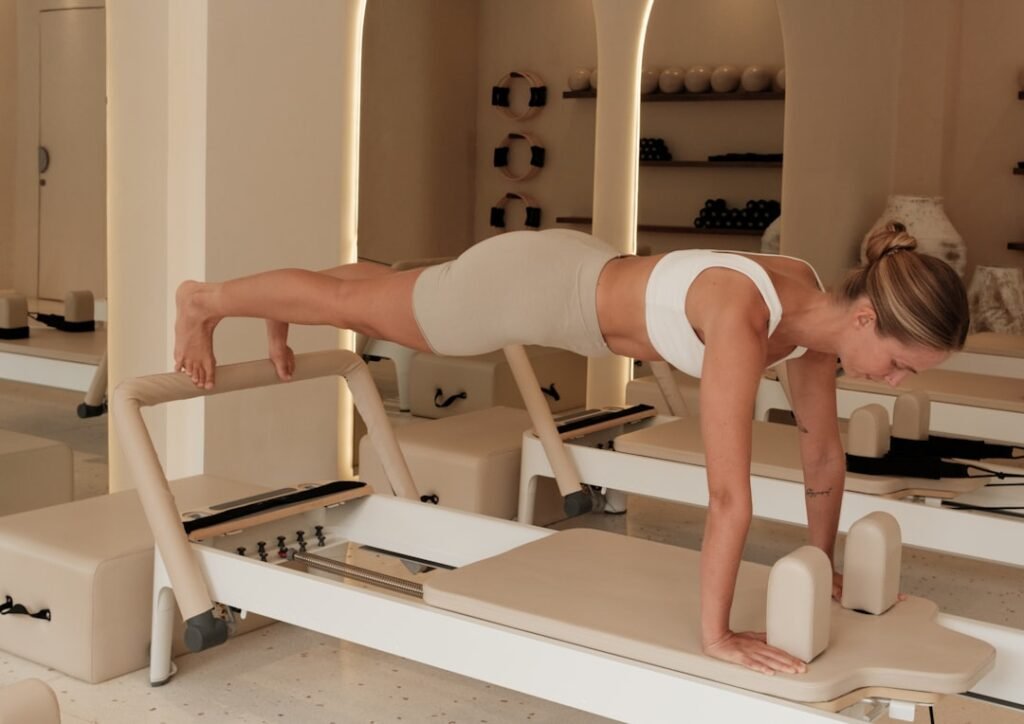
Pilates, developed by Joseph Pilates in the early 20th century, emphasizes core strength, flexibility, and overall body awareness. The method focuses on controlled movements that engage the core muscles, making it an excellent choice for those looking to tone their bodies and improve posture. Unlike yoga, Pilates sessions typically involve equipment like reformers, which can enhance resistance training and increase caloric burn.
One of the key elements of Pilates that supports weight loss is its ability to build lean muscle mass. More muscle means a higher resting metabolic rate, which can contribute to weight loss over time. This emphasis on muscle engagement not only helps in achieving a toned appearance but also plays a significant role in metabolic health, which is crucial in weight management.
Moreover, Pilates exercises are designed to target specific muscle groups, helping to sculpt and define the body. This focus on precision can lead to more noticeable results in areas like the abdomen, hips, and thighs—regions that many individuals aim to tone during their weight loss journeys. As practitioners progress, they may also find themselves becoming stronger and more agile, which can be incredibly motivating in their pursuit of fitness.
Caloric Burn in Pilates
Like yoga, the number of calories burned during a Pilates class can vary based on the intensity and the type of class. On average, participants can expect to burn around 300-500 calories per hour. The use of resistance in Pilates not only aids in building muscle but also increases the number of calories burned during and after workouts.
📖 Read also: 7 Weight Loss Tips yang Ampuh untuk Menurunkan Berat Badan dan Tetap Sehat!
The unique aspect of Pilates is its focus on controlled movements that require concentration and coordination. This intensity can elevate heart rates significantly, especially during advanced classes or when using equipment like reformers. As a result, Pilates can also provide a cardiovascular challenge, further enhancing its effectiveness for weight loss.
Additionally, incorporating various props such as resistance bands, stability balls, or weights can also increase the caloric burn and challenge the body in new ways, making each session engaging and effective. As practitioners become more comfortable with their movements, they can explore advanced techniques that push their limits and maximize their results.
Enhancing Body Awareness Through Pilates
The practice of Pilates fosters a strong mind-body connection, similar to yoga. This heightened awareness can lead to better food choices and mindfulness during meals. As individuals become more attuned to their bodies, they may find it easier to recognize hunger and fullness cues, further supporting weight management efforts.
Through focused breathing and deliberate movements, Pilates encourages practitioners to enhance their awareness of muscle engagement and body alignment. This awareness not only aids in reducing the risk of injuries during workouts but also translates into everyday activities, promoting better posture and body mechanics.
Moreover, as individuals develop a deeper connection to their bodies, they may find that they are more inclined to engage in other healthy practices, such as preparing nutritious meals or participating in additional physical activities. This holistic approach to fitness and wellness can create a sustainable lifestyle that supports weight loss and overall health.
Comparing the Two: Which is Better for Weight Loss?
Intensity and Engagement
When comparing yoga vs Pilates for weight loss, the intensity of the workouts plays a critical role. Yoga can be more flexible in terms of intensity, allowing individuals to choose styles that range from gentle to vigorous. For instance, power yoga or hot yoga classes can provide a challenging workout that elevates heart rates and enhances caloric burn. Pilates, on the other hand, is designed to be more structured, focusing on specific muscle groups with precision, which can lead to intense sessions when using resistance equipment.
Ultimately, the choice may come down to personal preference. Some may prefer the meditative aspect of yoga, enjoying the spiritual and emotional benefits it offers, while others may thrive in the more physical, structured environment of Pilates. Both practices can effectively support weight loss when combined with a balanced diet and overall healthy lifestyle.
To maximize the benefits from either practice, individuals should consider their personal fitness levels and preferences. Engaging in a combination of both yoga and Pilates can provide a well-rounded fitness experience that encompasses strength, flexibility, and mindfulness, catering to different aspects of physical and mental health.
Complementary Practices
For those looking to maximize their weight loss efforts, combining yoga and Pilates can create a well-rounded fitness regimen. Incorporating both practices allows for a balance of strength, flexibility, and mindfulness. This combination can enhance overall physical fitness while also addressing emotional well-being, which is crucial for long-term success.
Integrating yoga and Pilates sessions into a weekly routine can provide varied benefits. For instance, one might engage in Pilates to build strength and muscle tone while using yoga sessions for recovery and stress relief. This interplay can help prevent burnout and keep the fitness journey enjoyable and sustainable.
Additionally, many practitioners find that alternating between the two helps to keep workouts fresh and engaging. It can also prevent overuse injuries that might occur from focusing solely on one type of exercise. By embracing both practices, individuals can create a dynamic and fulfilling approach to fitness that is adaptable to their ever-evolving needs.
Choosing the Right Class
When deciding between yoga and Pilates, consider your personal fitness level, goals, and preferences. Many studios offer trial classes, which can be a great way to experience both practices before committing. Exploring different styles and instructors can help you find the best fit for your needs, ensuring that the experience is enjoyable and motivating.
Additionally, seeking guidance from qualified instructors can help you tailor your practice to meet your specific weight loss objectives. Instructors can provide personalized modifications and tips to ensure that you are performing exercises safely and effectively, maximizing the benefits of each session.
It’s also advisable to listen to recommendations from fellow practitioners or read reviews to find classes that align with your goals. Engaging in a supportive community can enhance motivation and create a positive environment that fosters growth and commitment towards weight loss goals.
📖 Read also: Unlock Radiant Skin: 7 Essential Steps for Your Skin Care Routine
Practical Tips for Incorporating Yoga and Pilates into Your Routine
Setting Realistic Goals
Establishing clear, achievable goals is essential for any weight loss journey. Whether you choose yoga, Pilates, or both, set specific targets that focus on frequency, duration, and intensity of your workouts. This approach will help you stay motivated and track your progress effectively.
Consider using a journal or fitness app to record your workouts and reflect on your achievements. Setting short-term and long-term goals can create a roadmap for your journey, providing milestones to celebrate along the way. This not only boosts morale but also reinforces commitment to your health objectives.
Additionally, be mindful of setting goals that are realistic and adaptable. Life can be unpredictable, and it’s important to allow flexibility in your fitness routine. Adjusting your goals as necessary can help maintain motivation and prevent frustration, ensuring a more positive experience throughout your weight loss journey.
Creating a Balanced Schedule
To reap the benefits of both yoga and Pilates, consider creating a balanced workout schedule. Aim to include both practices throughout the week, allowing for adequate rest and recovery. For example, you might practice yoga three times a week and Pilates twice a week, adjusting based on your body’s needs.
Incorporating variety into your routine can keep workouts engaging and prevent plateaus. Mixing different styles and intensities of yoga and Pilates can target various muscle groups and enhance overall fitness. Consider adding other forms of exercise, such as cardio or strength training, to create a comprehensive fitness regimen that supports weight loss.
Also, remember to include rest days in your schedule. Recovery is crucial for muscle repair and growth, and taking time off can help prevent burnout and injuries. Listening to your body and respecting its limits is essential for long-term success in any fitness journey.
Listening to Your Body
It’s crucial to listen to your body during workouts. Both yoga and Pilates encourage awareness of physical sensations, which can prevent injury and promote a more enjoyable experience. If you feel fatigued or experience discomfort, take a break or modify the movements to suit your current fitness level.
Practicing self-awareness can also extend beyond the workout itself. Pay attention to how your body feels throughout the day and make adjustments to your lifestyle accordingly. This may include incorporating more movement into your daily routine or focusing on nutrition that fuels your body effectively.
Moreover, mindfulness practices such as deep breathing and meditation can enhance your ability to listen to your body. These techniques help cultivate a greater sense of awareness and presence, allowing for more informed decision-making regarding your health and fitness choices.
Frequently Asked Questions (FAQ)
Can I lose weight just by doing yoga?
While yoga can aid in weight loss, it is most effective when combined with a healthy diet and other forms of exercise. Choosing dynamic styles of yoga can enhance caloric burn. Additionally, incorporating strength training and cardio can further support weight loss efforts.
Is Pilates suitable for beginners?
Yes, Pilates is suitable for beginners. Many studios offer introductory classes that focus on fundamental movements and techniques, helping newcomers build a solid foundation. It’s advisable to start with beginner classes to familiarize yourself with the principles of Pilates before progressing to more advanced sessions.
How often should I practice yoga or Pilates for weight loss?
For optimal results, aim to practice yoga or Pilates at least three to five times per week, depending on your fitness level and goals. Consistency is key to achieving desired results, and finding a routine that works for you is essential.
Can I combine yoga and Pilates in my routine?
Absolutely! Combining yoga and Pilates can create a balanced fitness regimen, enhancing both strength and flexibility while supporting weight loss efforts. Many practitioners find that alternating between the two provides a comprehensive approach to fitness that addresses various aspects of health.
This article serves as general information and is not a substitute for professional medical diagnosis or advice. For specific health concerns, please consult a medical professional.