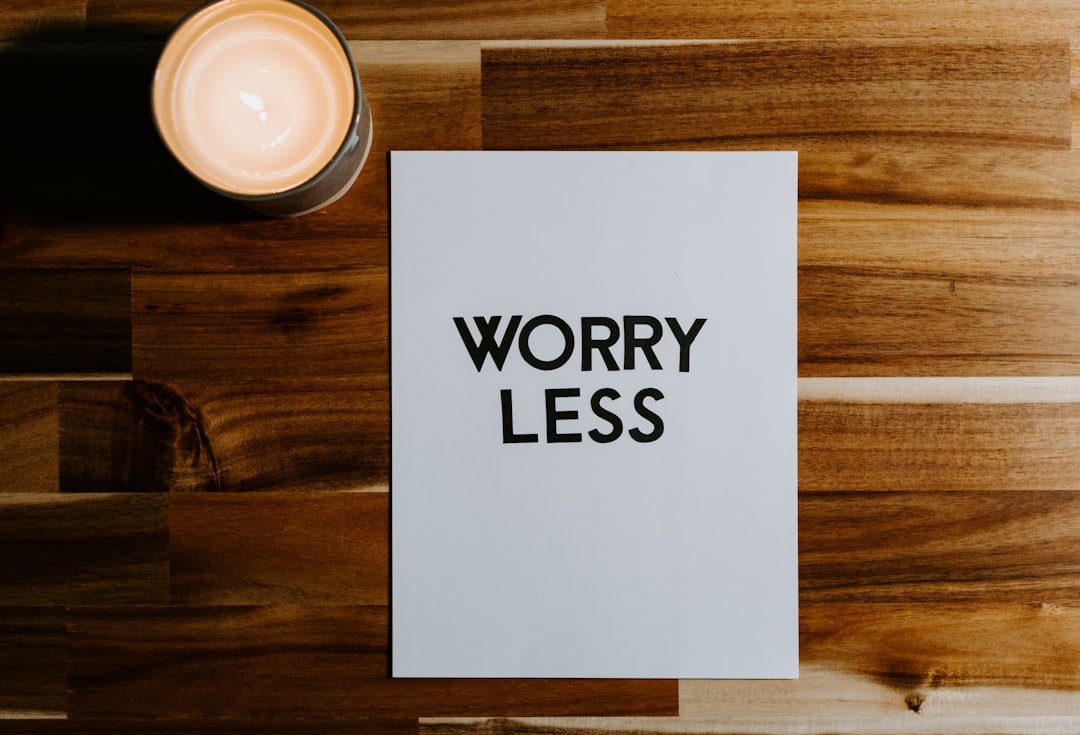
10 Effective Strategies to Reduce Stress Without Medication
In today’s fast-paced world, stress has become a common part of life, impacting our physical, mental, and emotional well-being. While medication can provide relief for some, many individuals seek natural and holistic approaches to manage stress. Learning how to reduce stress without medication is not only beneficial for your overall health but also empowers you to take control of your well-being. This article will explore ten effective strategies that you can incorporate into your daily routine to alleviate stress and enhance your quality of life.
Understanding Stress and Its Effects
Stress is the body’s response to any demand or challenge, and it can manifest in various forms, from mild anxiety to chronic tension. Understanding the root causes of stress is crucial in finding effective ways to manage it. Common triggers include work-related pressures, financial issues, personal relationships, and health concerns. Moreover, prolonged stress can lead to serious health issues, such as heart disease, depression, and a weakened immune system.
Furthermore, stress affects not only mental health but also physical well-being. The physiological response to stress can cause the body to release hormones such as cortisol and adrenaline, which prepare you for a fight-or-flight response. If these hormones remain elevated for extended periods due to chronic stress, it can lead to various health complications, including hypertension and digestive problems. Therefore, understanding the multifaceted impacts of stress is essential for developing effective strategies to reduce stress without medication.
Identifying Your Stressors
The first step in managing stress is identifying what specifically triggers it for you. Keeping a stress journal can be an effective way to pinpoint these stressors. Write down your feelings and thoughts when you experience stress. Over time, patterns may emerge, helping you recognize specific situations or people that contribute to your stress levels.
In addition to journaling, consider conducting a stress audit. This involves assessing different areas of your life, such as work, relationships, and personal health, to identify where stress is most prevalent. By categorizing your stressors, you can prioritize which areas need immediate attention and develop targeted strategies for managing them.
Physical Effects of Stress
Stress can have numerous physical effects on the body, including headaches, muscle tension, fatigue, and digestive issues. Understanding these symptoms can help you recognize when stress is becoming overwhelming and prompt you to take action. For instance, frequent tension headaches may be a sign that you need to evaluate your work-life balance or consider incorporating relaxation techniques into your routine.
Additionally, chronic stress can lead to long-term health complications, making it vital to develop healthy coping mechanisms. Issues such as insomnia, weight gain, and weakened immune response can stem from ongoing stress. By becoming aware of the physical manifestations of stress, you can take proactive steps to reduce its impact on your health.
Incorporating Mindfulness and Relaxation Techniques
Mindfulness and relaxation techniques are powerful tools for reducing stress without medication. These practices encourage you to focus on the present moment, which can help alleviate feelings of anxiety and overwhelm. Mindfulness is not only about relaxation; it also involves a greater awareness of your thoughts and feelings, allowing you to respond to stressors more effectively.
Incorporating mindfulness into your daily routine can be as simple as taking a few minutes to breathe deeply and focus on your surroundings. Engaging in guided imagery or using mindfulness apps can further enhance your practice. By regularly practicing mindfulness, you can train your mind to become more resilient to stress and better equipped to handle challenges.
Practicing Meditation
Meditation is an ancient practice that has gained popularity for its profound effects on mental health. Regular meditation can help calm the mind, improve concentration, and enhance emotional resilience. Start with just a few minutes each day, gradually increasing the duration as you become more comfortable with the practice.
There are various forms of meditation to explore, including mindfulness meditation, transcendental meditation, and loving-kindness meditation. Each type offers unique benefits and can cater to different preferences. For example, mindfulness meditation focuses on being present, while loving-kindness meditation emphasizes compassion towards oneself and others. Finding the right type of meditation for you can enhance your stress reduction efforts significantly.
Deep Breathing Exercises
Deep breathing exercises can be done anywhere and are a quick way to reduce stress. By focusing on your breath, you can ground yourself and shift your focus away from stressors. Try inhaling deeply through your nose for a count of four, holding your breath for four counts, and then exhaling slowly through your mouth for a count of six.
In addition to simple breathing exercises, consider exploring more structured breathing techniques, such as diaphragmatic breathing or box breathing. These methods can help lower your heart rate and promote a sense of calm. Integrating deep breathing into your daily routine, especially during high-stress moments, can empower you to manage your stress more effectively.
Engaging in Physical Activity
Exercise is a highly effective way to combat stress. When you engage in physical activity, your body releases endorphins—natural mood lifters that can help reduce stress and improve your overall mood. Engaging in regular exercise not only helps in physical health but also serves as a powerful tool in stress management.
📖 Read also: 10 Cara Efektif untuk Stress Relief dan Menemukan Ketenangan Sejati
Moreover, establishing a consistent exercise routine can enhance your resilience to stressors. Regular physical activity can improve your sleep quality, boost your self-esteem, and increase your overall energy levels. Whether it’s a vigorous workout or a gentle walk, incorporating movement into your day can significantly influence your stress levels.
Choosing Activities You Enjoy
The key to maintaining a regular exercise routine is to choose activities that you genuinely enjoy. Whether it’s dancing, hiking, swimming, or practicing yoga, engaging in enjoyable activities can make exercise feel like a rewarding part of your day rather than a chore. Finding joy in movement can motivate you to stick to your exercise plan.
Consider trying out new classes or outdoor activities to keep your routine fresh and exciting. Group activities, such as joining a dance class or a hiking group, can also provide social interaction, which can further alleviate feelings of stress. Remember, the goal is to make physical activity a fun and integral part of your life.
Setting Realistic Goals
Setting achievable fitness goals can also help reduce stress associated with exercise. Instead of aiming for drastic changes, focus on small, realistic goals that can lead to a sense of accomplishment and motivation. Celebrate your progress, no matter how small, to maintain a positive outlook. This approach reduces the pressure you may feel about exercising, making it an enjoyable and fulfilling experience.
Additionally, consider tracking your progress through a fitness app or journal. This can help you visualize your achievements and remind you of how far you’ve come. By setting achievable milestones, you can build confidence in your abilities and create a positive feedback loop that encourages you to continue prioritizing physical activity in your life.
Establishing a Support Network
Having a supportive network of friends and family can significantly impact your ability to manage stress. Social support provides a buffer against stress and can enhance your resilience. Connection with others can serve as a reminder that you are not alone in your struggles and that help is available.
Moreover, nurturing relationships with those who uplift and understand you can create a safe space for sharing your feelings and experiences. Emotional support can play a crucial role in reducing feelings of isolation and enhancing your overall well-being. Therefore, it’s essential to invest time in cultivating these relationships.

Reaching Out to Friends and Family
Don’t hesitate to reach out to friends or family members when you feel overwhelmed. Sharing your thoughts and feelings can provide relief and allow others to offer help or perspective. Sometimes, just knowing that someone is there for you can make a world of difference. Consider scheduling regular check-ins, whether through calls, texts, or in-person meetings, to maintain these connections.
Additionally, practicing vulnerability in your relationships can strengthen bonds and enhance mutual support. When you share your challenges and listen to others, it fosters a deeper understanding and creates a supportive environment where everyone feels comfortable expressing themselves.
Joining Support Groups
Consider joining support groups or community organizations related to your interests or challenges. These groups can provide a sense of belonging and understanding, allowing you to connect with others who may be experiencing similar stressors. Engaging with peers who share similar experiences can validate your feelings and provide practical coping strategies.
Support groups can take various forms, from formal therapy groups to casual meet-ups centered around shared interests. Look for local or online communities where you can participate actively. The connections formed in these groups can become a valuable resource in managing stress and enhancing your emotional resilience.
Prioritizing Self-Care
Self-care is essential for maintaining mental and emotional well-being. It involves engaging in activities that promote your health and happiness. Prioritizing self-care is not a selfish act; it is a necessary practice for ensuring that you have the energy and emotional capacity to handle life’s challenges.
Self-care practices can vary widely and should be tailored to your individual needs and preferences. Whether it’s indulging in a favorite hobby, spending time in nature, or practicing mindfulness, finding what rejuvenates you is key to effective stress management.
Creating a Relaxation Routine
Establishing a relaxation routine can help you unwind and recharge. This may include activities such as reading, taking a bath, practicing hobbies, or simply spending time in nature. Prioritizing these moments can help you manage stress more effectively. Creating a designated time for relaxation can signal to your brain that it’s time to destress.
📖 Read also: Unlock Better Sleep: 7 Essential Sleep Hygiene Tips for Restful Nights
Moreover, consider integrating calming activities into your daily schedule. For instance, you might set aside time in the evening for a warm bath or practice gentle yoga before bed. By making relaxation a regular part of your routine, you can cultivate a greater sense of balance and tranquility in your life.
Getting Enough Sleep
Quality sleep is crucial for stress management. Lack of sleep can exacerbate stress and lead to irritability and difficulty concentrating. Aim for 7-9 hours of sleep each night and establish a calming bedtime routine to promote restful sleep. Sleep is your body’s natural way of recovering and resetting, making it a vital component of stress management.
Consider creating a sleep-friendly environment by reducing noise and light, and maintaining a comfortable room temperature. Limiting screen time before bed can also improve sleep quality. By prioritizing good sleep hygiene, you can enhance your resilience to stress and improve your overall well-being.
Practicing Gratitude and Positive Thinking
Developing a mindset of gratitude can significantly shift your perspective and reduce stress. By focusing on the positive aspects of your life, you can cultivate resilience and improve your emotional well-being. Gratitude not only fosters a sense of appreciation but also encourages a more optimistic outlook on life.
Incorporating gratitude practices into your daily routine can enhance your overall mood and reduce feelings of stress. Simple actions, such as expressing gratitude to loved ones or reflecting on positive experiences at the end of the day, can create a powerful shift in mindset.
Keeping a Gratitude Journal
Consider keeping a gratitude journal where you write down things you are thankful for each day. This practice can help you focus on the positive and foster a sense of appreciation, which can counterbalance stress. By actively acknowledging what you are grateful for, you train your mind to recognize the good in your life.
Additionally, sharing your gratitude with others can strengthen relationships and create a supportive community. Whether it’s sending a thank-you note or verbally expressing your appreciation, these actions can enhance your connections and promote a positive atmosphere in your life.
Challenging Negative Thoughts
It’s essential to challenge negative thoughts that may contribute to your stress. Cognitive-behavioral techniques can help you reframe these thoughts and replace them with more positive affirmations. This shift in thinking can enhance your overall outlook and reduce anxiety. By becoming aware of your thought patterns, you can take proactive steps to cultivate a more positive mindset.
Consider practicing mindfulness to help identify and challenge negative thoughts as they arise. Techniques such as visualization or positive affirmations can also reinforce a more balanced perspective. Over time, these practices can help you build resilience and better manage stress.
Frequently Asked Questions (FAQ)
What are some quick ways to reduce stress during the day?
Quick ways to reduce stress include deep breathing exercises, taking short breaks for a walk, and practicing mindfulness techniques, even for just a few minutes. Incorporating these strategies into your daily routine can provide immediate relief from stress.
How does physical activity help reduce stress?
Physical activity releases endorphins, which are natural mood lifters, and helps reduce the physical symptoms of stress by promoting relaxation. Regular exercise can also improve sleep quality and enhance self-esteem, further contributing to stress reduction.
Can stress be managed without professional help?
Yes, many individuals can manage stress through self-care practices, mindfulness, and lifestyle changes. However, if stress becomes overwhelming, it may be beneficial to seek professional help. Mental health professionals can provide tailored guidance and support to help you navigate stress effectively.
What role does diet play in stress management?
A balanced diet can influence mood and energy levels. Foods rich in omega-3 fatty acids, antioxidants, and vitamins can help improve overall mental health and reduce stress. Consider incorporating more fruits, vegetables, whole grains, and healthy fats into your diet for optimal well-being.
In conclusion, effectively managing stress without medication is possible through various strategies that focus on mindfulness, physical activity, social support, and self-care. By incorporating these practices into your daily routine, you can enhance your resilience and improve your overall well-being. Remember, this article is for informational purposes only and should not be a substitute for professional medical advice. If you are experiencing chronic stress or anxiety, it’s essential to consult a healthcare professional for tailored guidance.