Unlocking Gut Health: 7 Secrets to a Happier Digestive System
Gut health is a crucial aspect of overall well-being that often goes overlooked. Understanding the importance of a healthy gut can empower you to make better lifestyle choices that promote digestive harmony. Your gut is home to trillions of microorganisms that play a significant role in digestion, immunity, and even mental health. This article unveils seven essential secrets to improve your gut health and lead a healthier life.
Understanding Gut Health and Its Importance
Gut health refers to the balance of microorganisms living in our digestive tract. A healthy gut supports digestion, nutrient absorption, and immune function. When the gut microbiome is out of balance, it can lead to various health issues, including gastrointestinal disorders, obesity, and even mental health problems.
The Microbiome: Your Gut’s Ecosystem
The gut microbiome consists of a diverse range of bacteria, viruses, fungi, and other microorganisms. These microbes help break down food, synthesize vitamins, and protect against pathogens. A healthy microbiome is characterized by diversity; the more varied your gut flora, the better your gut health.
Common Causes of Gut Imbalance
Several factors can disrupt the balance of your gut microbiome, including:
- Poor diet high in processed foods and sugars
- Antibiotic use that kills beneficial bacteria
- Chronic stress that affects gut function
- Lack of sleep, which can impact gut health
Seven Practical Tips for Improving Gut Health
Now that you understand the importance of gut health, here are seven actionable tips to enhance your digestive system:
1. Eat a Diverse Range of Foods
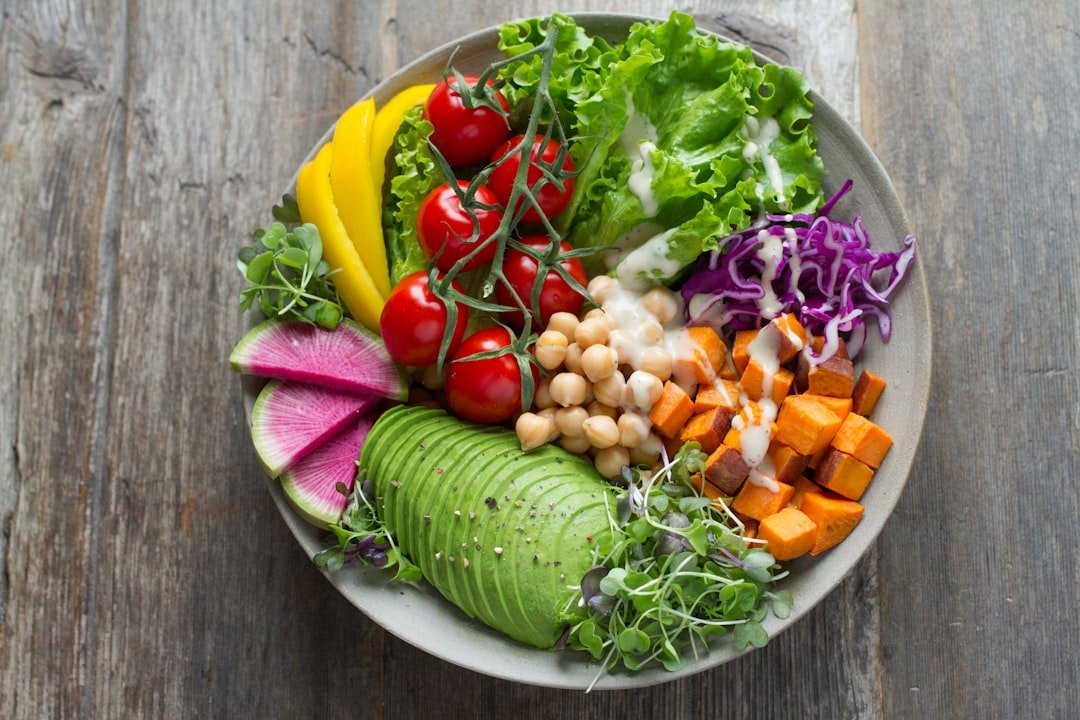
A varied diet rich in fruits, vegetables, whole grains, and fermented foods can help cultivate a diverse microbiome. Aim for a rainbow of foods to ensure you’re getting a wide array of nutrients.
2. Include Fermented Foods
Fermented foods like yogurt, kefir, sauerkraut, and kimchi are packed with probiotics, which can enhance gut health. These foods introduce beneficial bacteria into your digestive system, helping to restore balance.
3. Limit Processed Foods and Sugar
Processed foods and excessive sugar can promote the growth of harmful bacteria in the gut. Minimize your intake of these foods to support a healthier microbiome.
📖 Baca juga: Unlock Better Sleep: 7 Essential Sleep Hygiene Tips for Restful Nights

4. Stay Hydrated
Water is essential for digestion and helps maintain the mucosal lining of the intestines. Aim to drink enough water throughout the day to support gut health.
5. Manage Stress
Chronic stress can negatively impact gut health. Incorporate stress-reducing activities such as yoga, meditation, or deep-breathing exercises into your daily routine.
6. Get Enough Sleep
Quality sleep is vital for overall health, including gut health. Aim for 7-9 hours of restful sleep each night to allow your body to repair and rejuvenate.
7. Consider Probiotic Supplements
If you’re struggling to get enough probiotics through food, consider taking a high-quality probiotic supplement. Consult with a healthcare professional to find the right one for you.
When to Consult a Doctor
If you experience persistent digestive issues such as bloating, gas, diarrhea, or constipation, it’s essential to consult a healthcare professional. They can help identify underlying conditions and recommend appropriate treatment options.
Myths and Facts About Gut Health
There are many misconceptions surrounding gut health. Let’s debunk a few common myths:
Myth: All probiotics are the same.
Fact: Different strains of probiotics serve various functions. It’s essential to choose the right strain for your specific needs.
📖 Baca juga: 10 Cara Efektif untuk Stress Relief dan Menemukan Ketenangan Sejati

Myth: You can only get probiotics from supplements.
Fact: Many foods are rich in probiotics, including fermented products like yogurt and kimchi.
Myth: A healthy gut means no digestive issues.
Fact: Even individuals with a healthy gut can experience digestive discomfort from time to time. It’s essential to listen to your body and make adjustments as needed.
Conclusion
Prioritizing gut health is vital for overall well-being. By incorporating diverse foods, managing stress, and maintaining a healthy lifestyle, you can support your digestive system effectively. Remember, this article is for informational purposes and should not replace professional medical advice. Always consult with a healthcare provider for specific health concerns.
Frequently Asked Questions (FAQ)
What are the signs of an unhealthy gut?
Signs of an unhealthy gut can include bloating, gas, diarrhea, constipation, and food intolerances. If you experience these symptoms regularly, it may be time to evaluate your diet and lifestyle.
Can gut health affect mental health?
Yes, there is a strong connection between gut health and mental health. The gut produces neurotransmitters that affect mood and behavior, making a healthy gut essential for emotional well-being.
Are all probiotics effective for gut health?
No, not all probiotics are effective for every person. Different strains have varying effects, so it’s important to choose the right one based on individual health needs.
How long does it take to improve gut health?
Improving gut health can take time and varies for each individual. Generally, you may start to notice improvements within a few weeks of making dietary and lifestyle changes.